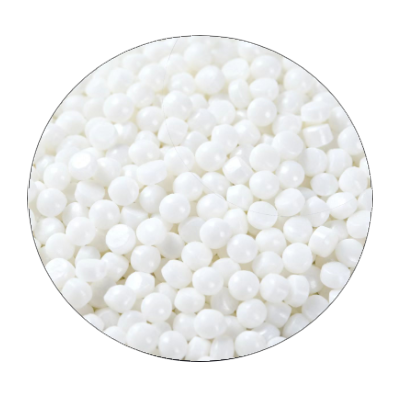
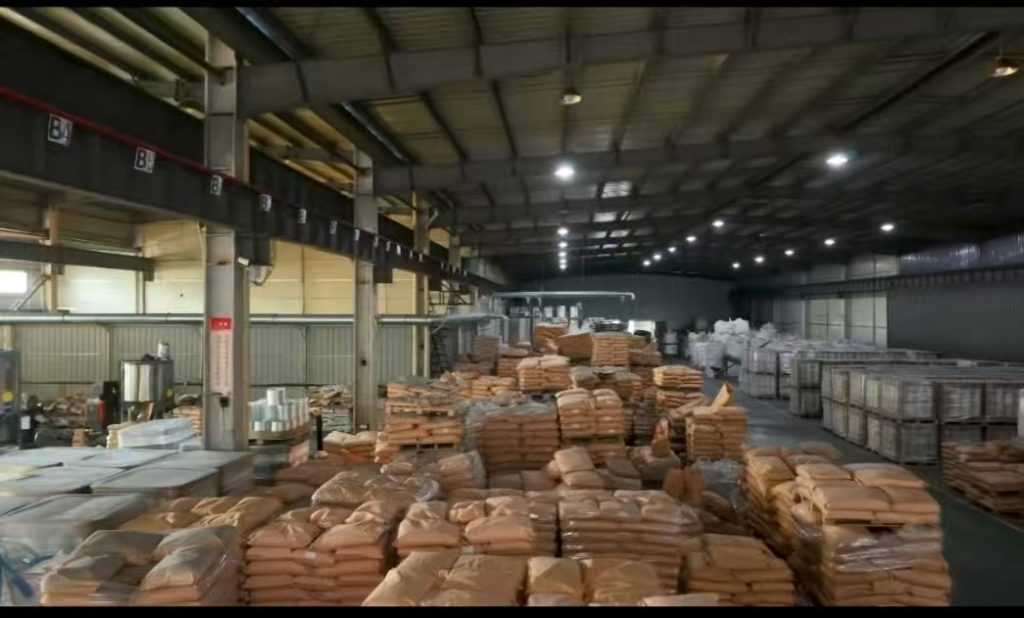
PP plastic granules, also known as polypropylene (PP) granules, are thermoplastic resin pellets made by polymerizing propylene monomers. They are one of the most widely used general-purpose plastics today.
Key characteristics and information are as follows:
Appearance: Typically white or transparent granules with a smooth surface and uniform particle size (commonly 2–4 mm in diameter).
Core properties:
Excellent chemical stability, resistant to most acids and alkalis (except strong oxidizing acids).
Low density (about 0.90–0.91 g/cm³), making it one of the lighter types of plastics.
Good heat resistance — the typical heat distortion temperature of standard PP is around 100–120°C, and it can be used continuously at about 100°C.
Good toughness and impact resistance (especially for modified PP such as impact-resistant grades), with excellent processing fluidity.
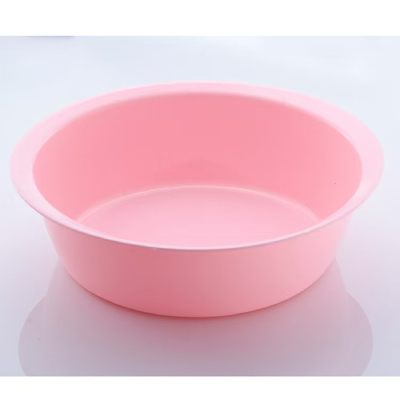
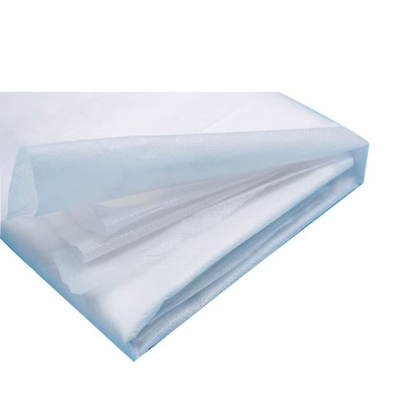
Main applications: Widely used in injection molding, extrusion, and blow molding processes — for example, in food packaging (such as storage containers and beverage bottles), household products (such as basins and buckets), automotive parts (such as bumpers and interior components), and medical devices.