Products
Engineering Plastics
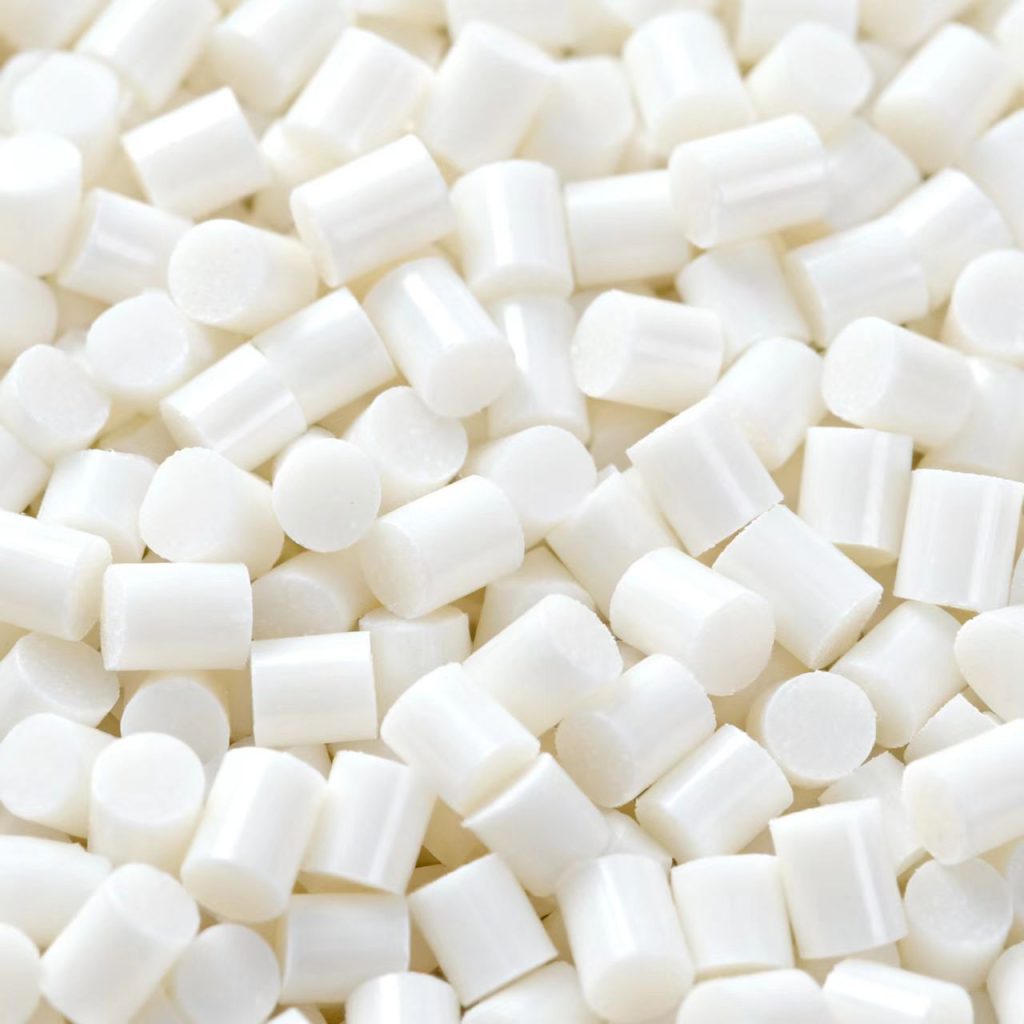
Engineering plastics are a type of high-performance plastic that boasts excellent mechanical properties, heat resistance, and chemical resistance, making them suitable for replacing metal in structural components. Their core characteristic is their durability, leading to their widespread use in industries such as automotive, electronics, and aviation.
Key advantages: Compared to ordinary plastics (such as PE for plastic bags and PS for foam), they offer greater strength, a wider temperature range (typically -40°C to over 150°C), and enhanced impact and abrasion resistance, making them suitable for complex working conditions in industrial environments.
Nylon
Nylon, scientifically known as polyamide (PA), is the world’s earliest industrialized engineering plastic. Its core advantages are high strength, high wear resistance and impact resistance. Because it can replace metal to make structural parts, it has become a “panacea” material in the industrial field.
We mainly produce reinforced nylon, toughened nylon, flame retardant nylon, weather resistant nylon, high glass fiber nylon, thermal conductive nylon and recycled nylon.
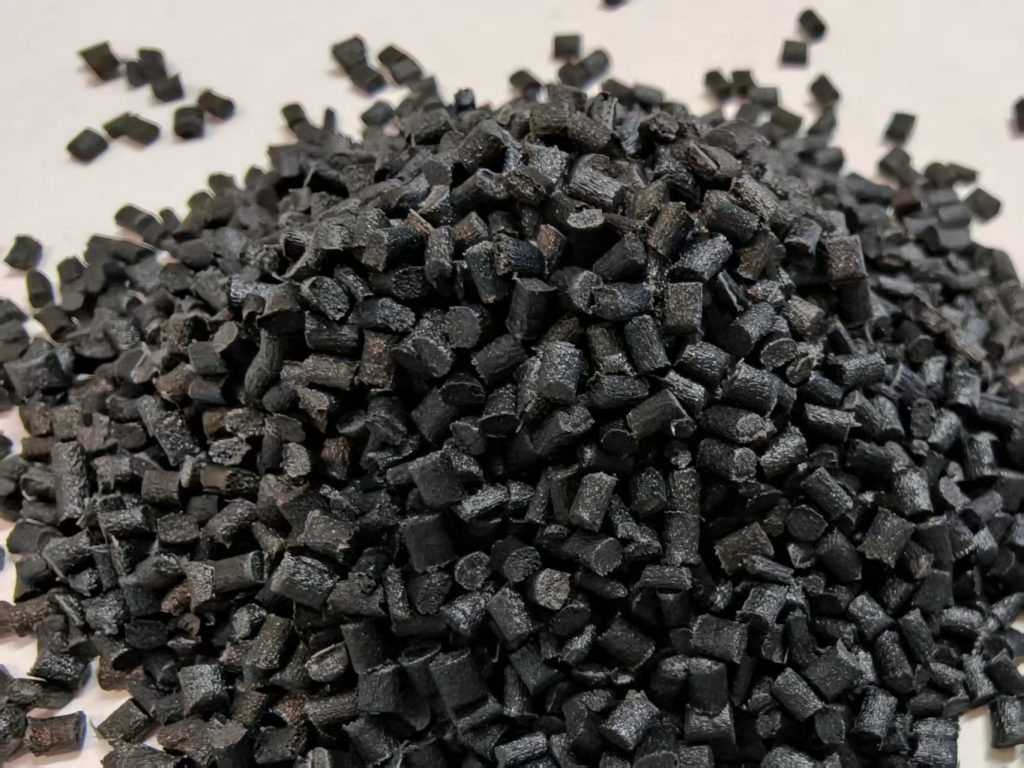
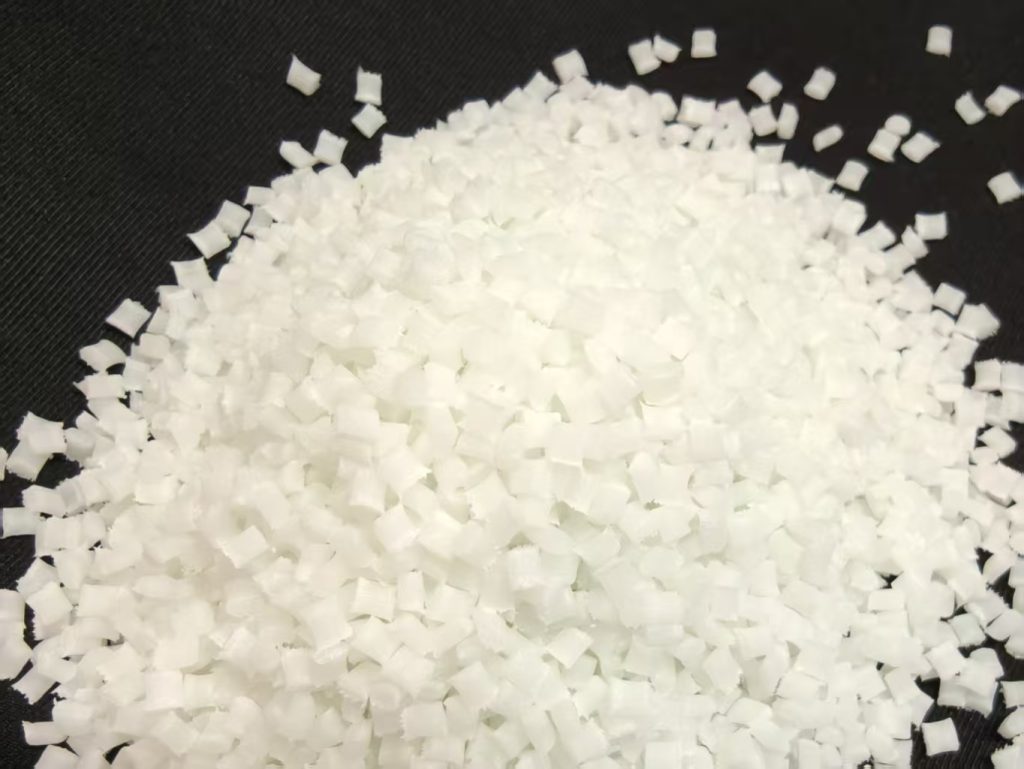
Reinforced nylon:It refers to nylon material produced by adding glass fiber to nylon raw materials. A more advanced scenario is to add carbon fiber to produce a lighter and stronger product.
Toughened nylon:an engineering plastic modified by adding toughening agents such as elastomers to ordinary nylon (PA). Its core advantage is that it greatly improves the low-temperature toughness and impact resistance while retaining the original strength and wear resistance of nylon, solving the pain point of ordinary nylon being brittle at low temperatures.
Flame retardant nylon:a modified engineering plastic that is made by adding flame retardants or using chemical modifications to enable ordinary nylon (PA) to have the ability to inhibit combustion and delay the spread of fire. The core is to retain the wear resistance and high strength advantages of nylon while solving its flammability shortcomings, making it suitable for industrial scenarios with fire protection requirements.
Thermal conductive nylon:a functional material made by combining nylon and thermally conductive fillers. It cleverly combines structural support and thermal management functions. Compared with other thermally conductive materials, it combines advantages such as lightweight, low cost, design freedom, and electrical insulation.
Polycarbonate/PC
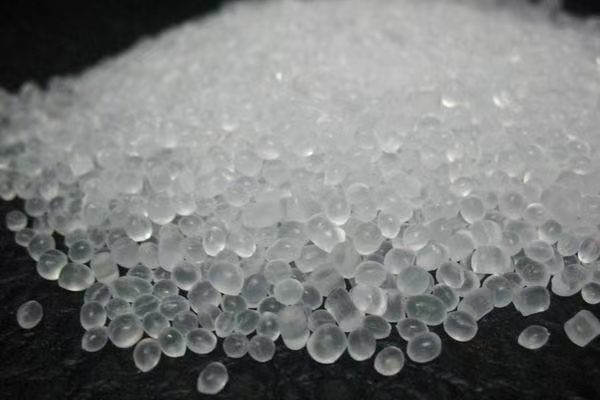
Its scientific name is polycarbonate. It is a commonly used engineering plastic with excellent comprehensive performance. Its core advantages are ultra-high impact resistance, good transparency, and strong heat resistance. Because it has the characteristics of both “rigidity” and “transparency”, it is called “transparent metal”.
1. Core Performance: 250 times more impact-resistant than ordinary glass, resistant to shattering when dropped or struck; light transmittance exceeding 90%, approaching glass-like performance while being significantly lighter; and stable operating temperature range from -40°C to 120°C, making it suitable for a wide range of environments.
2. Typical Applications: From small applications like mobile phone cases, eyeglass lenses, and baby bottles (food grade required), to medium-sized applications like automotive lampshades and helmet visors, and even larger applications like bulletproof glass and greenhouse skylights, this product covers a wide range of everyday and industrial applications.
Polyoxymethylene/POM
Because its hardness, strength, and wear resistance approach those of steel, along with its excellent processing properties, it is often referred to in the industry as “Saigang” or “Duogang.”
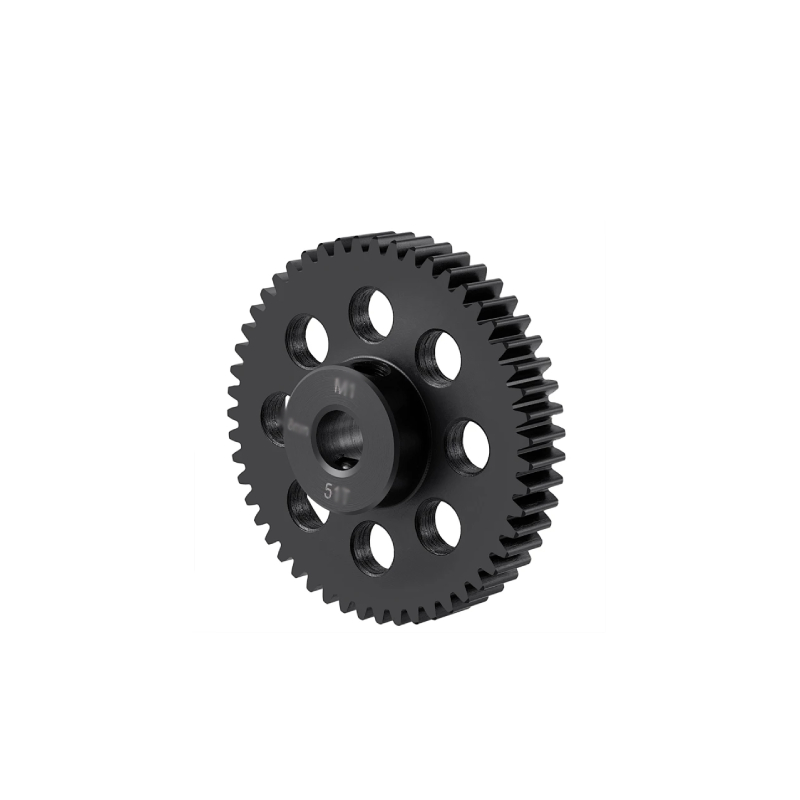
It is a highly crystalline engineering plastic characterized by exceptional dimensional stability and a low coefficient of friction. It is particularly suitable for manufacturing precision transmission components such as gears, bearings, and sliders, and is widely used in the automotive, electronics, and machinery manufacturing industries.