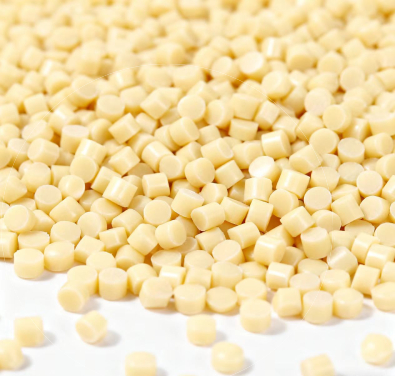
ABS polymer pellets

ABS plastic is a thermoplastic engineering polymer formed by copolymerizing three monomers: acrylonitrile (A), butadiene (B), and styrene (S). Its core advantage lies in the synergistic effects of these three components, which endow it with hardness, toughness, and processability, earning it the title of “the all-rounder among plastics.”

Acrylonitrile (A): Provides high strength, heat resistance, and chemical stability, making ABS resistant to corrosion and deformation.


Butadiene (B): Imparts high toughness and impact resistance. For instance, ABS used in car bumpers absorbs energy during collisions without shattering.


Styrene (S): Offers excellent flow properties and surface gloss, facilitating complex shapes (like appliance housings) while being easy to dye and print.

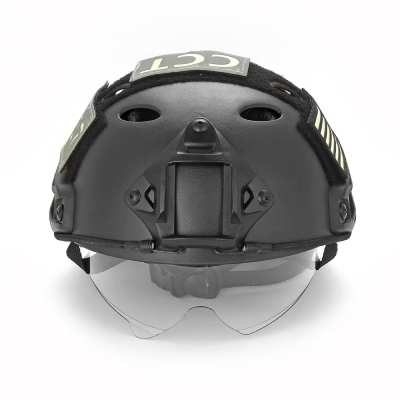
Application

ABS finds widespread use in daily and industrial applications—from computer keyboards and toys to automotive interiors, pipe fittings, and even the core material of LEGO bricks. Its success hinges on its balanced properties: “hard yet not brittle, tough yet not soft.”

Scroll to Top