Avoiding Pitfalls When Selecting Modified Nylon
What is nylon?
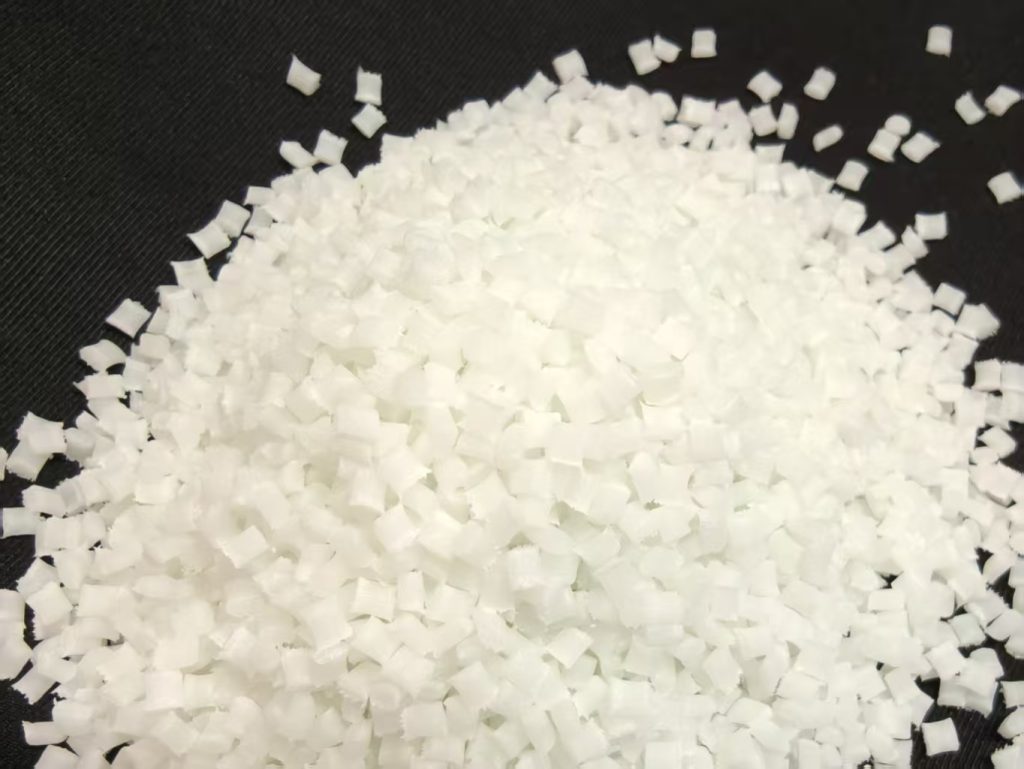
Nylon is a thermoplastic synthetic polymer characterized by high strength, wear resistance, and ease of processing. It is one of the most widely used plastic pellets in engineering plastics. Common types include PA6 and PA66.
What is modified nylon?
Modified nylon refers to materials where the base nylon compound undergoes performance optimization through physical, chemical, or blending methods. This enhances suitability for specific applications and meets performance requirements—essentially leveraging strengths while addressing weaknesses.
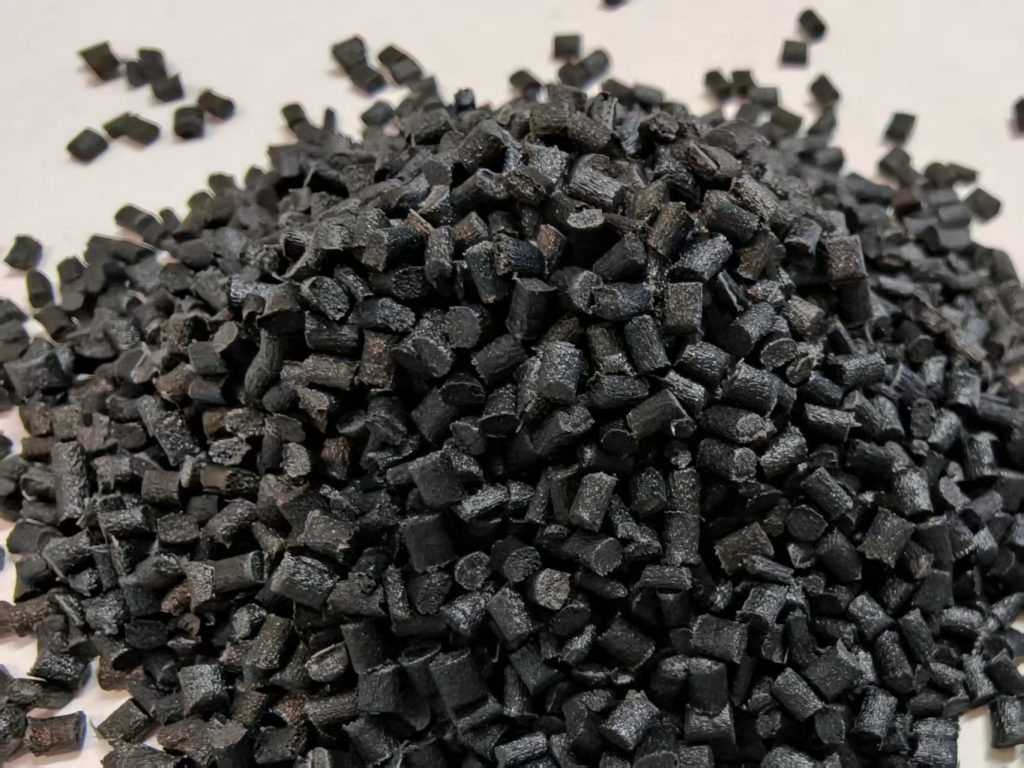
Common modified nylon types include reinforced modified nylon, wear-resistant modified nylon, weather-resistant modified nylon, flame-retardant modified nylon, and low-warpage modified nylon.
Common Injection Molding Issues
Below are several problems frequently encountered during modified nylon production:
1. Poor surface finish, prone to whitening or fiber streaks.
2. Inadequate flame retardancy.
3. Insufficient toughness.
4. Product warping.
5. Product cracking.
6. Injection molding underfilling.
When these issues arise, they are often attributed to substandard raw materials failing to meet specifications, frequently drawing scrutiny toward procurement personnel.
In reality, multiple factors contribute to these problems. While raw material quality may be one cause, more often it stems from inadequate integration of various production elements, preventing the material from achieving its full potential.
How should we select suitable modified nylon materials?
First, clearly define product performance requirements. As a modification facility, we need explicit customer specifications to conduct technical analysis and adjust reagent ratios effectively. Therefore, thoroughly understand product performance requirements before initial sampling.
Second, define the product’s operational environment. Different materials suit different working or usage conditions. Identifying the usage environment allows for more precise material formulation adjustments.
Third, understand the injection molding machine model and related specifications. Compatibility between different brands and performance levels with the same raw material may occasionally vary, necessitating debugging and analytical discussions.
Simultaneously, strict adherence to material handling protocols by technicians is crucial. For instance, nylon exhibits moisture absorption and must be dried according to specifications before use; otherwise, surface issues like fiber floating may occur. During processing, precise adjustment of injection temperature and mold temperature is equally vital. These machine parameters require patient fine-tuning.

In summary, understanding these four points before procurement is essential for avoiding pitfalls when selecting modified nylon.