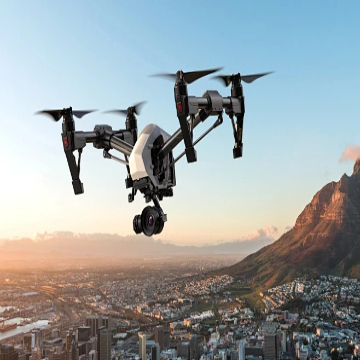
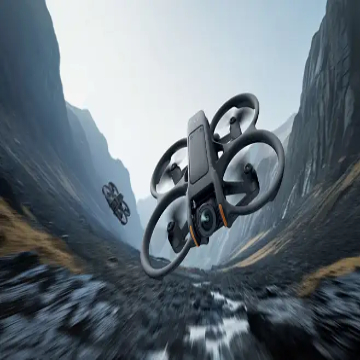
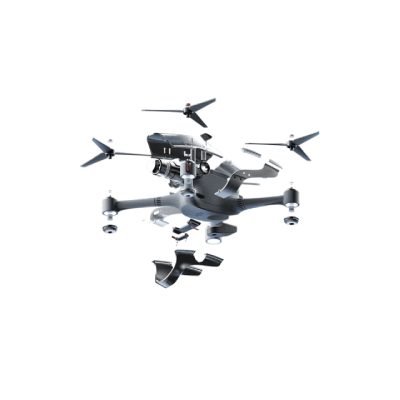
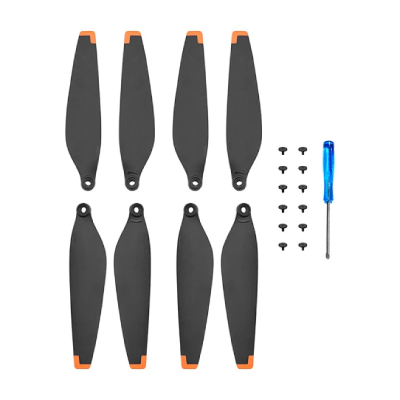
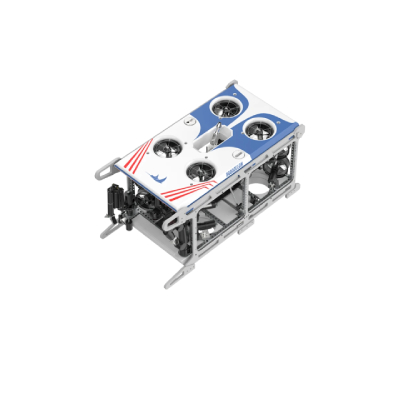
Plastic pellets are widely used in drone components such as airframe structures, internal brackets, exterior parts, and housings for certain functional components. Specific application scenarios include:
– Airframe and Arms: Most consumer drones (e.g., multirotors) utilize ABS or PC/ABS alloy plastic pellets for injection-molded airframes and arms, balancing lightweight construction with impact resistance.
– Internal Structural Components: Battery compartment housings, motor mounts, and circuit board brackets commonly employ PP or nylon (PA) plastics to meet insulation, wear resistance, and structural support requirements.
– Exterior and Protective Components: Gimbal covers, propeller guards, button panels, etc., often utilize transparent PC or ASA (weather-resistant plastic) to balance transparency and aging resistance.
– Small Functional Components: Certain connector housings, sensor enclosures, and cooling fan blades may employ PBT or PE plastics to meet temperature resistance and corrosion resistance requirements across different operating conditions.